


Key Takeaways
- The US glamping market is experiencing rapid growth as travelers seek unique outdoor hospitality experiences.
- Luxury camping combines nature with premium accommodations, attracting new demographics to outdoor travel.
- RV parks, resorts, and campground operators are investing in glamping units to increase revenue and diversify accommodations.
- The growth of the glamping industry requires modern reservation and property management technology to manage demand efficiently.
Glamping is no longer a niche trend in the US—it’s fast becoming a mainstream travel choice. Today’s travellers want the best of both worlds. The natural beauty of the outdoors combined with the comfort and style of a boutique stay. This shift is transforming campgrounds and holiday parks across the country, as guests increasingly seek unique, high-quality, and hassle-free outdoor experiences.
The Numbers Behind the Trend
According to Forbes, the US glamping market is projected to more than double in value, from $561 million in 2023 to $1.3 billion by 2029. This explosive growth is largely driven by younger generations who are not only camping more often but also spending significantly more on premium experiences.
What’s Fueling the Glamping Boom?
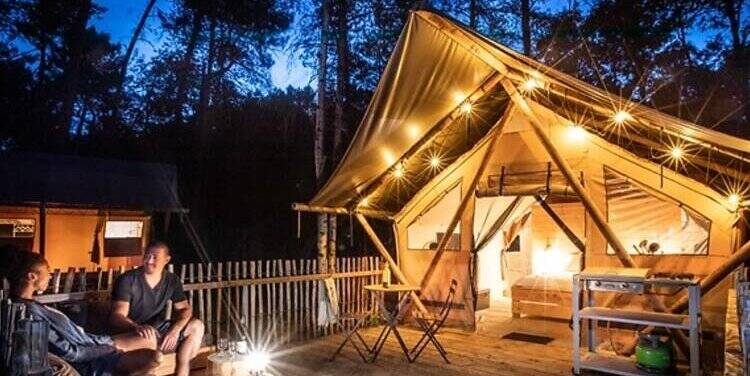
Modern glampers crave a balance between adventure and convenience. They want to wake up to birdsong and fresh air—but also enjoy a cosy bed, reliable electricity, and fast Wi-Fi. Popular accommodation types include safari tents, yurts, and luxury pods, all designed to deliver comfort with a touch of novelty.
Gen Z and millennials are leading this movement. Kampgrounds of America report that these demographics made up 61% of new campers in 2024. Gen Z alone spends an average of $266 per day—nearly double that of older generations—highlighting a strong appetite for elevated camping experiences that don’t compromise on comfort.
US Glamping Market Size and Growth
The rapid rise of glamping in the United States is more than a passing travel trend; it reflects a significant shift in the broader outdoor hospitality market. Recent industry estimates place the US glamping market size in the billions, with projections indicating continued expansion at a strong compound annual growth rate (CAGR) over the next decade.
This growth is being fueled by several converging factors. First, there is a sustained increase in demand for luxury outdoor tourism, as travelers seek unique experiences that combine nature with comfort. Glamping offers a compelling alternative to traditional accommodations by delivering high-end amenities in natural settings, appealing to both seasoned outdoor enthusiasts and first-time campers.
Additionally, changing traveler preferences are playing a key role. Modern guests, particularly Millennials and Gen Z, prioritize experiential stays over conventional travel. They are looking for memorable, shareable experiences that go beyond standard hotel offerings, and glamping delivers exactly that.
The expansion of the outdoor hospitality sector as a whole is also contributing to glamping market growth in the US. As more destinations invest in nature-based tourism infrastructure, glamping has emerged as a high-margin, scalable accommodation model within this ecosystem.
Why RV Parks and Resorts Are Investing in Glamping
As the US glamping market continues to grow, RV park owners and resort operators are increasingly incorporating glamping accommodations into their offerings, and for good reason.
One of the primary drivers is the ability to command higher nightly rates compared to traditional RV sites or tent camping. Glamping units such as safari tents, yurts, and cabins offer a premium experience, allowing operators to significantly increase revenue per available unit.
Glamping also enables operators to attract a broader range of guest demographics. While traditional RV parks often cater to a specific audience, glamping appeals to couples, families, and urban travelers who may not own RVs or camping equipment but still want to enjoy the outdoors in comfort.
Another key advantage is improved occupancy during shoulder seasons. Because glamping units typically include insulation, heating, and other weather-resistant features, they can be marketed year-round or extended beyond peak camping months, helping to stabilize revenue streams.
Finally, adding glamping accommodations allows operators to diversify their lodging mix, reducing reliance on a single type of guest or booking pattern. This flexibility is increasingly important in a competitive and evolving hospitality landscape.
Operational Challenges in the Growing US Glamping Market
While the growth of glamping presents significant opportunities, it also introduces new operational complexities for park and resort operators.
Managing a mix of accommodation types, ranging from RV sites to fully furnished glamping units, requires more advanced reservation management systems. Operators must handle varied pricing structures, availability, and booking rules, all while ensuring a seamless guest experience.
At the same time, guest expectations are rising. Glamping guests often expect a hotel-like experience, including smooth check-ins, personalized communication, and high-quality amenities. Meeting these expectations consistently can be challenging without the right operational tools in place.
Inventory management also becomes more complex as operators expand their offerings. Tracking unit availability, maintenance schedules, and housekeeping requirements across multiple accommodation types demands a more sophisticated approach than traditional campground management.
To address these challenges, many operators are turning to integrated property management systems (PMS) designed specifically for outdoor hospitality. Solutions like Elite Dynamics’ Elite Parks platform enable operators to centralize reservations, streamline operations, and enhance the overall guest experience, making it easier to scale glamping offerings without sacrificing efficiency or service quality.
Lessons from the UK: A More Mature Glamping Market
While glamping is gaining momentum in the US, the UK has been refining this travel style for years. British operators offer a diverse range of accommodations—from eco-domes to converted vintage trailers—and focus heavily on delivering authentic, locally inspired experiences.
The UK’s success lies in its ability to blend creativity and comfort with exceptional hospitality. It’s not just about offering a fancy tent—it’s about curating a memorable experience. From gourmet food and wellness activities to thoughtful design and attentive service, UK glamping sites show how immersive and repeat-worthy these stays can be.
This mature approach offers a valuable blueprint for US parks looking to differentiate themselves in a competitive market.
Looking Ahead: Experience + Efficiency = Success
As the US glamping market continues to grow, so does the need for smart operations. Parks that can deliver memorable guest experiences while managing operations efficiently will be best positioned for long-term success.
Investing in intuitive tools for booking, maintenance, and communication can ease the pressure on staff and ensure smooth day-to-day operations. It doesn’t have to be complex—just reliable enough to let teams focus on what matters most: creating unforgettable stays.
Many operators are turning to park management systems that are purpose-built for the unique needs of glamping and holiday parks. Solutions like EliteParks, which has been widely adopted across the UK market, offer an integrated approach to handling bookings, guest communication, and operational tasks in one place. As US parks mature, taking inspiration from these kinds of systems can help deliver the efficiency needed to support high-quality, experience-led stays.
Final Thoughts
Glamping is no longer a passing trend, it’s a defining feature of modern outdoor travel in the US. By learning from the UK’s more established market, especially in terms of accommodation diversity, guest experience, and operational strategy, US operators can build compelling offerings that attract new guests and keep them coming back.
With the right mix of creativity, comfort, and operational excellence, the future of glamping in the US looks bright.
FAQs
What is the US glamping market?
The US glamping market refers to the growing segment of outdoor hospitality that offers luxury camping accommodations such as safari tents, cabins, yurts, and luxury domes.
Why is glamping becoming popular in the United States?
Glamping is becoming popular because travelers want nature-based experiences with the comfort of hotel-style amenities.
How large is the US glamping market?
The US glamping market has grown rapidly in recent years as outdoor travel, experiential tourism, and luxury camping demand increase.
Why are RV parks adding glamping accommodations?
RV parks and resorts are adding glamping units because they attract new guest demographics and generate higher nightly rates than traditional campsites.
What types of accommodations are included in glamping?
Common glamping accommodations include luxury tents, domes, cabins, treehouses, yurts, and safari-style tents.
Ready to grow your glamping business with confidence?
Discover how EliteParks can simplify your operations and support your success.