


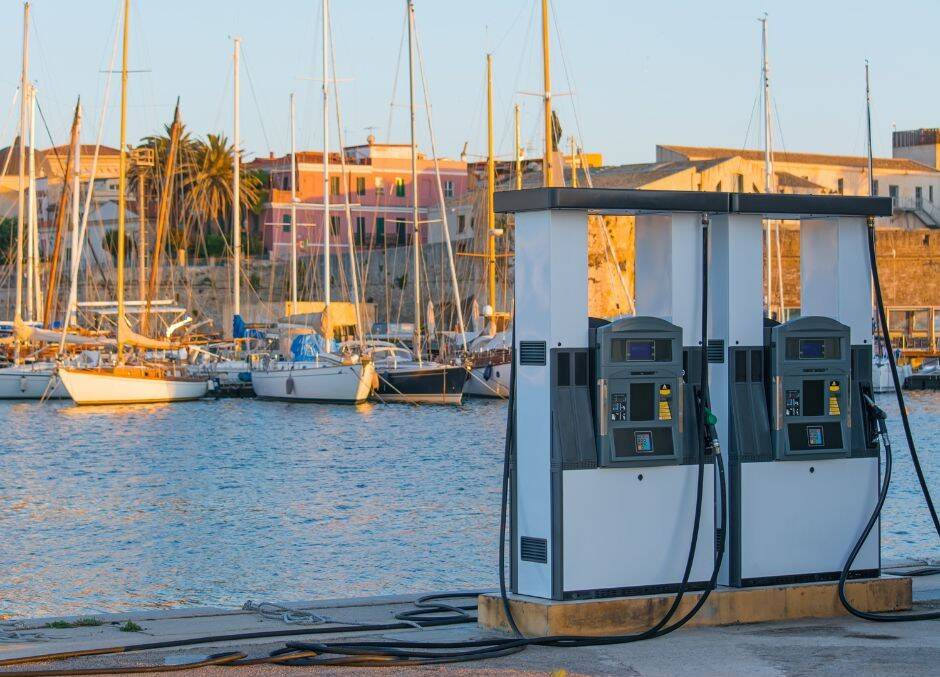
The hidden costs of fuel management might not be the first thing that comes to mind when you think about marina operations, but it’s often one of the most expensive and overlooked parts of the business. For many marinas, fuel is still tracked manually, with handwritten logs, tank gauges, and spreadsheets. A missed reading, a mislabelled invoice, or a stock discrepancy can quickly snowball into lost revenue and frustrated customers.
But the real issue isn’t just about what’s going wrong, it’s about what’s being missed. When fuel data is buried in notebooks or siloed systems, you lose the chance to spot patterns, plan ahead, and make smarter decisions.
Why Fuel Management Is a Bigger Deal Than You Think
Fuel isn’t just a product, it’s also a service, a safety risk, and a revenue stream all rolled into one. When it’s not managed properly, the knock-on effects can be significant. From inaccurate billing to stock shortages at peak times, the operational impact can be felt across the entire marina.
Then there’s compliance. With environmental and safety regulations tightening, having a clear, auditable record of fuel handling is essential.
What Your Fuel Data Could Be Telling You
There’s a lot of untapped value in fuel data. It can reveal usage trends, highlight inefficiencies, and even help you forecast demand. Are there certain days when demand spikes? Do some customers always refuel before events? Could you be adjusting staffing or pricing based on usage patterns?
These are the kinds of insights that can make a real difference, but only if you’ve got the tools to see them.
How Digital Tools Can Help
EliteMarinas supports your fuel management, giving marina teams the visibility and control they need to make better decisions.
With real-time stock tracking, automated billing, integrated reporting and flexible pricing, fuel stops being a separate headache and starts becoming part of a joined-up system.
Turning Fuel from a Risk into a Strategic Asset
When fuel is managed well, it can go from being a source of stress to a source of insight. Whether you’re running a single-site marina or managing multiple locations, getting fuel right means fewer disputes, better compliance, and a clearer picture of what’s really going on.