


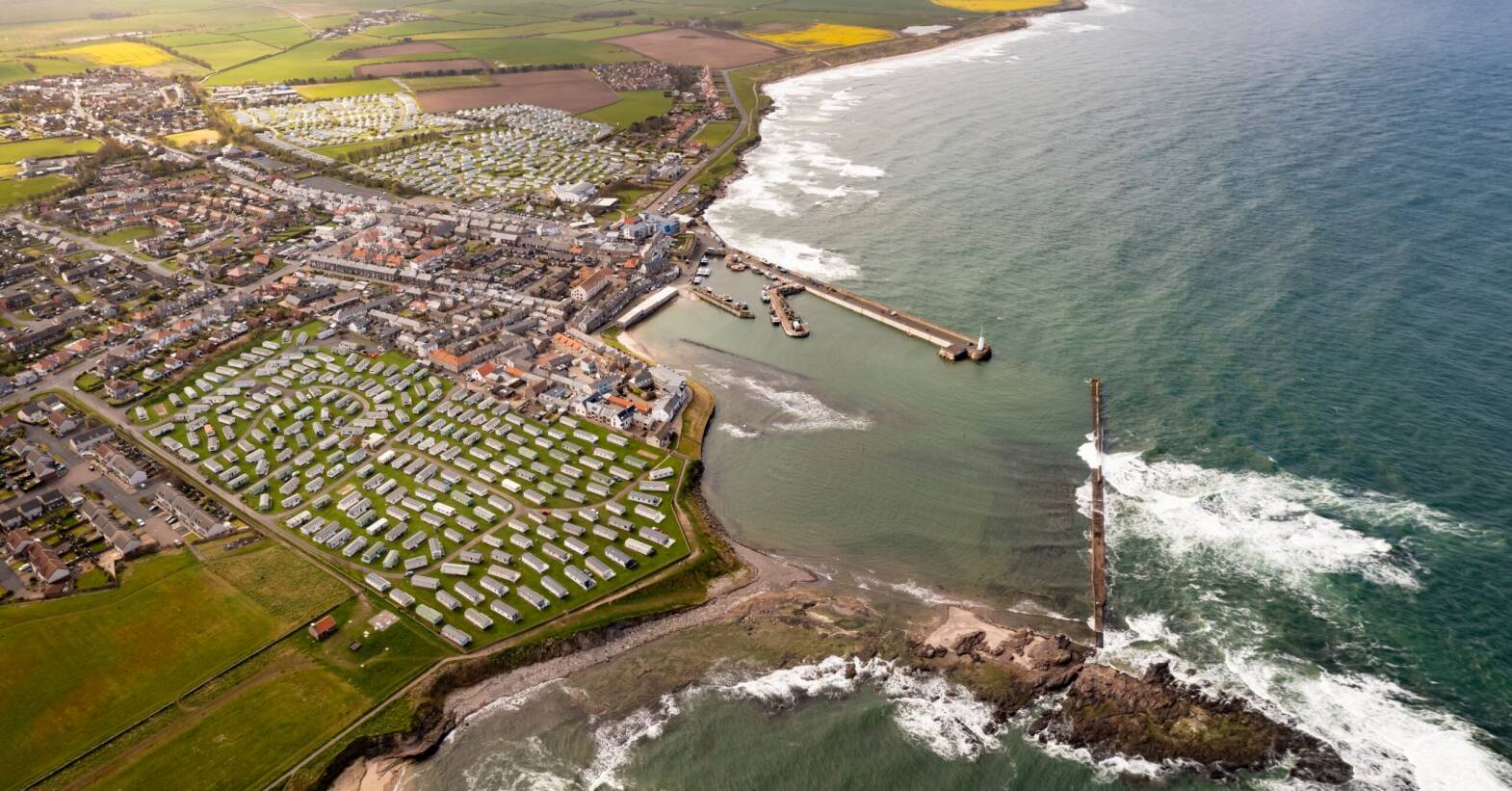
Key Takeaways
- The holiday parks market continues to grow as travelers seek outdoor and experience-driven vacations.
- Holiday park operators are expanding accommodation offerings to include glamping, cabins, and luxury lodging.
- Market growth is creating operational challenges related to reservations, guest management, and park operations.
- Technology platforms are becoming essential for managing holiday parks efficiently and improving guest experiences.
The holiday park industry is under more pressure in 2025 than it has been in years. Rising costs, new National Insurance (NI) increases, and a slowdown in holiday home sales are creating challenges not only for parks, but also for dealers and manufacturers across the UK.
Rather than being an isolated issue for operators, these pressures ripple through the entire sector, reshaping sales, staffing, and investment decisions.
The Impact of Rising National Insurance
For the park industry, the NI rise has had an immediate and unavoidable effect on payroll. With so many seasonal and frontline staff, operators have seen wage bills rise by as much as 10%.
Cerys, Deputy Group General Manager at Lady’s Mile Holiday Park in Devon, described the reality on the From Pitch to Pontoon podcast:
“If we didn’t do anything about it, you’re looking at approximately a 10% increase on our wage bill, which comes straight off our bottom line. For a family-run business, that’s incredibly tough.”
Lady’s Mile responded by pausing recruitment, looking at overtime more closely and investing in training staff. The aim, Cerys explained, was to offset costs without demotivating teams: “We wouldn’t ever want it to come across where we’re saying ‘work harder, with no more money’. Instead, we’ve looked at incentives and self-funding bonuses to keep people motivated.”
This approach highlights a wider industry truth: operators can’t simply pass the full cost on to guests in today’s climate. Finding efficiencies while protecting service levels is critical.
A Softer Market for Holiday Home Sales
Alongside cost pressures, the market for holiday homes has cooled.
- Parks are seeing fewer first-time customers entering the market, which reduces opportunities to grow their owner base.
- Dealers are facing tighter margins as competition increases and customers become more cautious with spending.
- Manufacturers are experiencing a shift away from higher-end unit purchases, with operators instead favouring more cost-effective fleet models to manage budgets.
This creates pressure across the supply chain: reduced sales at the top end, squeezed margins in the middle, and fewer new customers coming through the doors.
Holiday Parks Market Size and Growth
Despite mounting pressures across the sector, the global holiday park industry continues to demonstrate strong long-term growth potential. Recent estimates place the holiday parks market size in the tens of billions globally, with steady expansion expected across both the US and European markets.
This growth is largely driven by increasing demand for outdoor hospitality experiences, as travelers seek alternatives to traditional hotels. Holiday parks are uniquely positioned to meet this demand by combining natural settings with flexible accommodation options, from touring pitches to fully serviced lodges and luxury units.
Growth of Experiential Travel
A key factor underpinning this expansion is the continued rise of experiential travel. Modern travelers are prioritizing immersive, memorable stays over standardized accommodation. Holiday parks offer a diverse range of experiences, from nature-based activities to family-oriented amenities, making them highly attractive across multiple demographics.
Rising Demand for Outdoor Hospitality
The broader outdoor hospitality market has expanded significantly in recent years, accelerated by shifting consumer preferences toward open spaces, wellness, and sustainability. This trend has translated into increased visitation, longer stays, and higher spend per guest within holiday park environments.
Increasing Competition Among Holiday Parks
As a result of this growth, competition within the sector is intensifying. New developments, the expansion of luxury camping (glamping), and investment in high-end holiday park resorts are raising the bar for guest expectations. While this creates new revenue opportunities, it also places pressure on operators to differentiate their offerings and maintain high service standards.
Operational Challenges Facing Holiday Park Operators
While market growth presents clear opportunities, it also brings a new set of operational challenges that operators must navigate carefully.
One of the most pressing issues is staffing shortages, which continue to impact service delivery across the hospitality sector. Recruiting and retaining skilled staff, particularly during peak seasons, remains a significant hurdle for many holiday parks.
At the same time, operators are dealing with increased complexity in reservation and inventory management. With a broader mix of accommodation types, variable pricing models, and multiple booking channels, managing availability efficiently has become far more demanding than in traditional park setups.
Guest expectations are also evolving. Today’s visitors expect a seamless, high-quality experience, from booking through to check-out. This includes fast, intuitive reservation systems, clear communication, and consistent service standards, areas where operational inefficiencies can quickly impact satisfaction and reviews.
Finally, the need for technology adoption is becoming unavoidable. Operators who rely on outdated or manual processes often struggle to keep pace with demand, particularly as competition intensifies and margins come under pressure.
The Need to Maximise Every Booking
With sales softening, bookings and repeat customers have taken centre stage. While larger groups chase occupancy through aggressive discounting, independents like Lady’s Mile are choosing to add value instead — through entertainment, activities, and yield management strategies.
As Andrew Blackie put it on the podcast: “Once you miss that weekend, that night, that week — you’ll never get it back again.” Making the start of the booking journey right, and maximising on-park spend, has become essential to protecting revenues.
People at the Centre
Despite the financial squeeze, operators like Lady’s Mile are making it clear that people remain the priority. Stephen emphasised that the ethos of a family-run park means avoiding decisions that simply burden guests or staff:
“Our whole ethos is that we’re a family-run business, here for families. We can’t just pass costs straight to the customer. Instead, it’s about supporting staff and finding smarter ways to work.”
By investing in staff motivation, keeping entertainment teams through the off-season, and differentiating on service, Lady’s Mile shows that putting people first is a competitive advantage.
Why Technology Is Critical for Modern Holiday Parks
To address these challenges and capitalize on market growth, technology is playing an increasingly central role in holiday park operations.
Modern reservation management systems enable operators to handle complex bookings, automate availability updates, and manage multiple accommodation types within a single platform. This not only reduces administrative burden but also minimizes the risk of errors and overbookings.
Dynamic pricing tools are also becoming essential, allowing operators to adjust rates based on demand, seasonality, and occupancy levels. This helps maximize revenue while remaining competitive in a crowded market.
In addition, guest communication tools are transforming the customer experience. Automated confirmations, pre-arrival information, and real-time updates help streamline the guest journey and improve satisfaction without increasing staff workload.
Ultimately, the shift toward centralized park management platforms is enabling operators to bring all aspects of their business together, from reservations and payments to reporting and operations. Solutions like Elite Dynamics’ EliteParks platform are designed specifically for the needs of holiday parks, helping operators improve efficiency, enhance guest experiences, and scale their operations in an increasingly competitive landscape.
Adapting for the Future
The pressures of 2025 are unlikely to ease quickly. Rising costs and changing buying patterns will continue to affect the industry well into 2026. But the response across parks, dealers, and manufacturers shows that resilience is possible.
-
Parks are maximising every stay and exploring technology to ease operational strain.
-
Dealers are strengthening relationships and focusing on aftersales.
-
Manufacturers are refining their ranges and output to match new demand.
As Stephen Brown, Group Operations Manager at Lady’s Mile summed up, “You have to focus — on costs, on the customer experience — and get the balance right. That’s always been the key, but the balance keeps shifting.”
Conclusion
The pressure on the holiday park industry is real and widespread. NI rises, slowing holiday home sales and intensifying competition are hitting every part of the sector, from manufacturers to dealers to operators.
As Lady’s Mile demonstrates, with proactive leadership, transparent communication, and a focus on people, the industry can adapt.
Andrew Blackie highlighted on the From Pitch to Pontoon podcast: “Act now and let’s make 2026 the best year ever.”
That call to action reflects the opportunity in front of the sector. By acting now, every part of the industry can prepare for a stronger 2026.
-
Parks can put smarter systems in place to maximise bookings, manage yield more effectively, and support leaner teams.
-
Dealers can strengthen aftersales relationships, make better use of data, and explore new ways to engage potential buyers.
-
Manufacturers can align production more closely to demand, use technology to manage costs, and maintain innovation even as the market shifts.
Whether you’re running a park, selling homes, or building them, the right strategies and tools will be vital to not just withstand today’s pressures, but to seize the opportunities of tomorrow. We’re here to support the entire industry on that journey, whether you run a park, sell homes, or manufacture them, we’re all in this together and together we can build the resilience and innovation the sector needs for the years ahead.
FAQs
What is the holiday parks market size?
The holiday parks market refers to the global industry of holiday parks, campgrounds, and outdoor resorts that provide accommodation and recreational experiences for travelers.
Why is the holiday park industry growing?
The industry is growing due to increasing demand for outdoor travel, experiential tourism, and family-friendly vacation destinations.
What types of accommodations do holiday parks offer?
Holiday parks typically offer cabins, RV sites, camping areas, glamping tents, lodges, and resort-style accommodations.
What challenges do holiday park operators face?
Operators often face challenges related to reservation management, staffing, guest experience expectations, and maintaining occupancy throughout the year.
How does technology help holiday park operators?
Technology platforms help manage reservations, automate bookings, track occupancy, communicate with guests, and streamline park operations.